
Biopharma CDMO Selection Guide: Microbial (E. coli) vs. Mammalian (CHO) Fermentation & Tech Transfer Benchmarks (2026)
Compare microbial (E. coli) vs mammalian (CHO) biopharma CDMO selection criteria. Benchmarking single-use bioreactors, inclusion body refolding, oxygen transfer kinetics, and cGMP tech transfer.
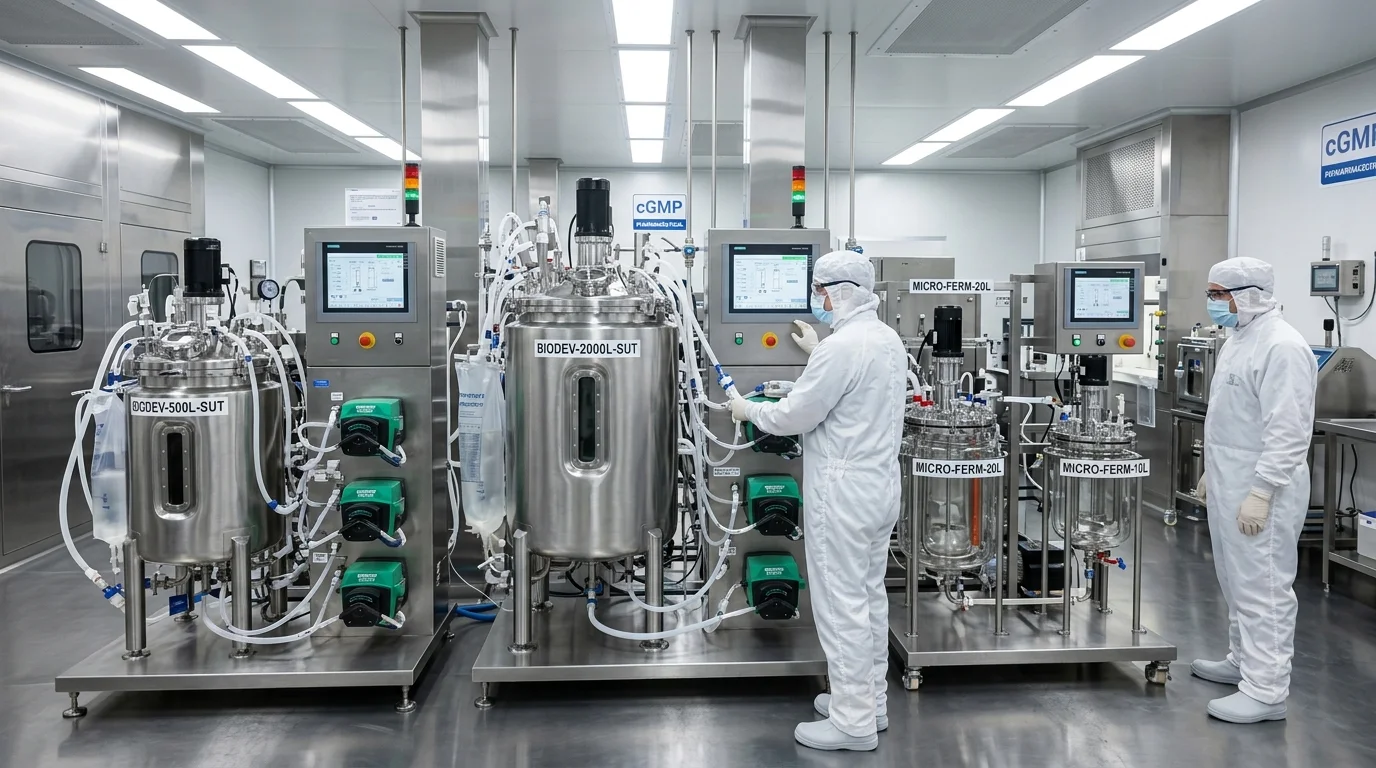
1. Executive Summary & Strategic CDMO Evaluation Stakes #
From Our Bioprocess & Commercial Bench — Rahul Kumar, Founder & Chief Editorial Director: "Selecting between a microbial and a mammalian contract development and manufacturing organization (CDMO) is one of the most consequential decisions an emerging biopharma company will ever make. It dictates not only your early clinical development timeline, but also your long-term Cost of Goods Sold (COGS), facility capital allocation, and regulatory compliance trajectory. During my commercial and manufacturing tenures spanning Abbott, Cadila, and Ajanta Pharma, we repeatedly witnessed biopharma sponsors lose 6 to 12 months in tech transfer simply because they selected a CDMO with impressive marketing brochures but zero empirical mastery over oxygen mass transfer (kL a) in high-density fermentation or inclusion body refolding thermodynamics. This guide provides the quantitative engineering benchmarks, impurity clearance specifications, and quality agreement frameworks required to audit, score, and partner with the right biologics CDMO in 2026."
In modern biopharmaceutical development, outsourcing upstream and downstream manufacturing to a specialized CDMO has transitioned from a tactical cost-saving exercise to a core competitive strategy. Over 65% of clinical-stage therapeutics—ranging from monoclonal antibodies (mAbs) and bispecifics to enzyme replacements, cytokines, and plasmid DNA (pDNA) vectors—rely on external contract facilities for process development, cGMP clinical batch production, and commercial scale-up.
However, the bioprocess engineering landscape is bifurcated between two vastly different biological systems:
- Microbial Expression Platforms: Primarily driven by Escherichia coli (and increasingly Pichia pastoris), optimized for non-glycosylated proteins, single-chain variable fragments (scFvs), nanobodies, and enzymatic catalysts. These systems demand intense volumetric oxygen transfer rates, active cooling jackets for rapid exothermic heat dissipation, and robust downstream inclusion body solubilization cascades.
- Mammalian Expression Platforms: Dominated by Chinese Hamster Ovary (CHO) lineages (CHO-K1, CHO-DG44, CHO-S) and human embryonic kidney (HEK293) systems, indispensable for complex, full-length glycoproteins requiring human-like post-translational modifications (PTMs). These cultures require low-shear hydrodynamics, strict dissolved carbon dioxide (pCO2) stripping, and lengthy 14-day fed-batch or continuous perfusion processing.
Choosing the wrong CDMO or mismatching your target biomolecule's physicochemical requirements with a facility's bioreactor architecture leads to catastrophic batch failures, product aggregation, aberrant glycoform profiles, and multi-million-dollar regulatory holds.
2. Upstream Expression Host Architecture: E. coli vs. CHO Decision Tree #
Selecting between a microbial and mammalian expression host requires a rigorous biophysical evaluation of your protein's primary sequence, molecular mass, folding thermodynamics, and required pharmacological half-life.
                               [ Target Biomolecule Profile ]
                                              │
                      ┌───────────────────────┴───────────────────────┐
                      ▼                                               ▼
          Does it require complex N- or                   Is it a non-glycosylated fragment,
          O-linked glycosylation for                      cytokine, antigen, or scaffold protein
          folding, stability, or ADCC?                    (<50 kDa) with basic disulfide bonds?
                      │                                               │
                      ▼                                               ▼
            [ MAMMALIAN PLATFORM ]                          [ MICROBIAL PLATFORM ]
             Host: CHO-K1 / DG44                             Host: E. coli BL21(DE3)
             Titer Target: 4.5–8.0 g/L                       Titer Target: 8.0–20.0 g/L (Dry Cell Wt)
             Timeline: 12–16 weeks                           Timeline: 4–6 weeks
Comparative Host Architecture Specifications #
| Analytical & Engineering Parameter | Microbial Expression (E. coli BL21/Origami) | Mammalian Expression (CHO-K1 / CHO-DG44) | Operational CDMO Audit Checkpoint |
|---|---|---|---|
| Doubling Time (td) | 20 to 30 minutes | 18 to 24 hours | Inoculum train sizing & seed bioreactor turnaround |
| Typical Batch Duration | 24 to 48 hours | 12 to 16 days (Fed-batch) | Facility scheduling & suite utilization fees |
| Typical Product Titers | 5 to 15 g/L (Total yield / inclusion bodies) | 3.5 to 7.5 g/L (Secreted soluble protein) | Upstream productivity vs downstream column capacity |
| Post-Translational Modifications | None (unless genetically engineered Pichia) | Complex N-glycans, core fucosylation, sialylation | N-glycan profiling (HILIC-UPLC / MALDI-TOF MS) |
| Product Localization | Cytoplasm (Inclusion bodies) or Periplasm | Secreted directly into cell culture supernatant | Lysis homogenization vs disc-stack centrifugation |
| Volumetric Heat Generation | Extreme (>100 kW/m³ at high cell density) | Minimal (<10 kW/m³) | Chilled water loop capacity & vessel jacket surface |
| Volumetric Oxygen Transfer (kL a) | 300 to 800 hr⁻¹ | 15 to 40 hr⁻¹ | Sparger design, pure O2 supplementation & tip speed |
| Regulatory Endotoxin Risks | Critical (>100,000 EU/mg raw harvest) | Negligible (<10 EU/mg raw harvest) | Downstream Q-Sepharose / membrane endotoxin clearance |
When to Select a Microbial CDMO: #
- Antibody Fragments (scFvs, Fabs, VHH Nanobodies): Small molecular weight constructs (<35 kDa) lacking Fc effector domains that can be expressed in the periplasm or recovered from refractile inclusion bodies.
- Cytokines & Hormones (G-CSF, Insulin, Somatropin): Polypeptides with stable tertiary conformations where glycosylation is either unnecessary or detrimental to in-vivo receptor binding.
- Industrial & Diagnostic Recombinant Enzymes: Polymerases, reverse transcriptases, and ligases used in diagnostic assays where high volumetric productivity and ultra-low cost per milligram are essential.
- Plasmid DNA (pDNA) for Cell & Gene Therapy: High-yield bacterial vector manufacturing for mRNA in-vitro transcription (IVT) and AAV/lentiviral transfection.
When to Select a Mammalian CDMO: #
- Full-Length IgG1, IgG2, and IgG4 Monoclonal Antibodies: Requiring conserved Asn-297 N-glycan structures to ensure proper Fc receptor (FcγRIIIa) binding and Antibody-Dependent Cellular Cytotoxicity (ADCC).
- Bispecific Antibodies & Fc-Fusion Proteins: Constructs susceptible to heavy-chain/light-chain mispairing, requiring specialized heterodimerization controls and chaperone-assisted folding.
- Large Complex Blood Factors (Factor VIII, Erythropoietin): Heavily sialylated proteins requiring human-like macro- and micro-heterogeneity to avoid rapid clearance via hepatic asialoglycoprotein receptors.
3. Bioreactor Scale-Up Hydraulics: Oxygen Transfer (OTR), kL a, and SUT vs. Stainless Steel #
The thermodynamic and hydrodynamic environment inside a production bioreactor changes dramatically as working volume expands from 5 L benchtop systems to 2,000 L single-use bioreactors (SUBs) or 10,000 L stainless-steel vessels.
Oxygen Mass Transfer Kinetics #
In both microbial and mammalian culture, oxygen transfer from gas sparge bubbles into the liquid media is governed by the volumetric oxygen transfer coefficient (kL a):
Where:
- OTR = Oxygen Transfer Rate (mmol · L-1 · hr-1)
- kL a = Volumetric mass transfer coefficient (hr-1)
- C^* = Saturated dissolved oxygen concentration at the gas-liquid interface (mg/L)
- CL = Actual dissolved oxygen concentration in the bulk liquid (mg/L)
In high-density E. coli fed-batch fermentations where optical density (OD600) surpasses 150 (corresponding to dry cell weights of 50 to 65 g/L), the biological oxygen uptake rate (OUR) frequently exceeds 250 mmol · L-1 · hr-1. To maintain dissolved oxygen (DO) above the critical 30% threshold, the fermenter must generate a kL a between 400 and 700 hr⁻¹.
This requires:
- High power-to-volume input (P/V > 5 to 10 kW/m³).
- Rushton turbine impellers operating at tip speeds of 4.5 to 6.5 m/s.
- Deep micro-bubble sparging with continuous pure O2 gas enrichment.
In contrast, mammalian CHO cultures cannot tolerate high-shear hydrodynamics. Because CHO cells lack a protective peptidoglycan cell wall, Kolmogorov eddy lengths smaller than cell diameter (~15 µm) induce catastrophic shear necrosis and membrane lysis. Mammalian bioreactors operate with gentle marine-blade or pitched-blade impellers (P/V approx 0.05 to 0.2 kW/m³) generating a modest kL a of 15 to 35 hr⁻¹, with pluronic F-68 surfactant added at 0.1% to stabilize cell membranes against sparge bubble bursting.
                               [ 2,000 L BIOREACTOR HYDRODYNAMICS ]

        Microbial Fermentation (E. coli)               Mammalian Bioprocess (CHO)
        ────────────────────────────────               ──────────────────────────
        Impeller: Rushton / Concave Turbine            Impeller: Pitched-Blade / Elephant Ear
        Power/Vol: 5.0 – 10.0 kW/m³                     Power/Vol: 0.05 – 0.25 kW/m³
        Agitation: 400 – 900 RPM                       Agitation: 35 – 85 RPM
        kLa Target: 400 – 800 hr⁻¹                     kLa Target: 15 – 35 hr⁻¹
        Heat Duty: Heavy cooling jackets               Heat Duty: Standard electrical heating
        Risk: Oxygen starvation, thermal runaway       Risk: Shear damage, pCO2 accumulation
4. Microbial Inclusion Body Solubilization & Redox Refolding Cascade #
When expressing heterologous proteins at high levels in E. coli, high translation rates frequently overwhelm the bacterial chaperone machinery (DnaK-DnaJ-GrpE and GroEL-GroES), forcing dense, insoluble protein aggregates into phase-separated inclusion bodies (IBs).
While many novice sponsors view inclusion bodies as an upstream failure, Tier-1 microbial CDMOs leverage them as an intentional downstream purification advantage:
- High Purity Harvest: Inclusion bodies routinely contain 70% to 90% target protein, naturally sequestered away from soluble host cell proteins (HCPs) and active bacterial proteases.
- Resistance to Degradation: The tight crystalline packing protects sensitive therapeutic proteins from proteolytic cleavage during primary recovery.
However, recovering biological activity requires a validated, four-stage solubilization and refolding cascade:
  [ Bacterial Cell Pellet ] ──► [ High-Pressure Homogenization ] ──► [ Disc-Stack Centrifugation ]
                                           (800–1200 bar, 2–3 passes)         (Pellet Inclusion Bodies)
                                                                                       │
  [ Dialysis / Chromatography ] ◄── [ Pulse-Dilution Refolding ] ◄── [ Chaotropic Solubilization ]
    (Purified Native Protein)        (Redox Buffer: GSH / GSSG)        (6M GuHCl / 8M Urea + DTT)
The 4-Stage Inclusion Body Processing Protocol #
- Cell Disruption & IB Isolation: Bacterial harvest slurry is lysed via high-pressure homogenization at 900 to 1,200 bar across 2 to 3 passes. The lysate is centrifuged; dense IBs sediment rapidly at 5,000 to 8,000 × g. The pellet undergoes 2 sequential detergent washes using 1% Triton X-100 and 50 mM Tris-HCl (pH 8.0) to strip away cell wall fragments, membrane lipids, and loosely bound bacterial endotoxins.
- Chaotropic Denaturation & Disulfide Reduction: Purified IBs are solubilized in either 6.0 M Guanidine Hydrochloride (GuHCl) or 8.0 M Urea buffered at pH 8.0–8.5, supplemented with 10 to 50 mM Dithiothreitol (DTT) or 2-Mercaptoethanol (2-ME) to reduce all non-native inter- and intra-molecular disulfide crosslinks. Total protein concentration during solubilization is adjusted to 10–20 g/L.
- Controlled Redox Refolding: Refolding is initiated by rapidly diluting the denaturant down to <1.0 M, either via continuous fed-batch pulse dilution into a chilled refolding vessel or using tangential flow filtration (TFF). To facilitate native disulfide bond formation and isomerization, a low-molecular-weight redox shuffling system is introduced:
- Reduced Glutathione (GSH) to Oxidized Glutathione (GSSG) ratio of 4:1 to 10:1 (typically 2.0 mM GSH / 0.5 mM GSSG).
- Refolding temperature maintained at 4°C to 12°C for 16 to 36 hours.
- Inclusion of aggregation suppressors: 0.4 to 0.8 M L-Arginine, 5% glycerol, or 0.05% PEG-3350 to inhibit non-specific hydrophobic association during intermediate folding states.
- Clarification & Native Capture: The refolded pool is clarified through a 0.22 µm depth filter to remove irreversible misfolded precipitates, followed immediately by downstream capture chromatography (Hydrophobic Interaction Chromatography [HIC] or Ion Exchange Chromatography [CEX/AEX]) to separate monomeric native protein from soluble multimeric aggregates.
5. Downstream Purification & Regulatory Impurity Clearance Limits #
Whether operating a CHO monoclonal antibody process or an E. coli inclusion body platform, downstream purification suites must achieve rigorous clearance of product-related and process-related impurities to satisfy FDA, EMA, and ICH Q6B regulatory standards for human clinical administration.
Regulatory Impurity Clearance Benchmark Matrix #
| Impurity Class | Source & Mechanism | Target Clinical Specification (FDA / EMA) | Validated Clearance Unit Operations | Analytical Release Assay |
|---|---|---|---|---|
| Host Cell Proteins (HCP) | Endogenous host cellular proteome (E. coli / CHO) | < 10 to 50 ppm (ng HCP / mg drug substance) | Protein A, CEX, Anion Exchange (AEX) membrane adsorbers | Multi-antigen sandwich ELISA / 2D-DIGE / LC-MS/MS |
| Host Cell DNA (HCD) | Residual host genomic DNA fragments | < 10 pg / therapeutic dose (<100 bp size limit) | Benzonase endonuclease digestion, Q-Sepharose AEX | Ultra-sensitive threshold assay / quantitative real-time PCR (qPCR) |
| Bacterial Endotoxins (LPS) | Outer membrane lipopolysaccharide (E. coli) | < 0.2 to 0.5 EU / mg (Route & dose dependent) | Polymyxin B affinity, high-salt AEX, Mustang E membrane | Recombinant Factor C (rFC) fluorometric / Kinetic LAL |
| High Molecular Weight (HMW) | Soluble target protein dimers, trimers & aggregates | < 1.0% to 1.5% total area | Ceramic Hydroxyapatite (CHT), HIC, Multimodal (Capto adhere) | Analytical Size-Exclusion Chromatography (SEC-HPLC / UHPLC) |
| Charge Heterogeneity | Deamidation, N-terminal pyroglutamate, C-terminal Lys | Monitored CQAs (Acidic/Main/Basic peak specifications) | High-resolution strong cation exchange (SCX-HPLC) | Capillary Isoelectric Focusing (cIEF) / CEX-HPLC |
| Leached Protein A | Cleavage & shed of recombinant chromatography ligand | < 5 to 10 ppm | Post-capture low-pH viral inactivation, cation exchange | Ligand-specific sandwich ELISA / AlphaLISA |
| Viral Clearance | Endogenous retrovirus-like particles (CHO RVLPs) | > 12 to 15 LRV (Log Reduction Value) total | Low pH incubation (pH 3.5–3.8), nanofiltration (20 nm) | Quantitative viral infectivity / TCID50 / qPCR |
6. Single-Use Technology (SUT) vs. Traditional Stainless-Steel TCO Model #
Over the past decade, single-use bioreactor systems (Cytiva Xcellerex, Thermo Fisher HyPerforma, Sartorius BIOSTAT STR) have captured over 75% of clinical-scale biopharmaceutical manufacturing. However, for large-scale commercial bioprocessing, the total cost of ownership (TCO) calculation remains nuanced.
   Total Cost of Ownership (TCO) vs. Annual Batch Frequency

   Annual Cost ($M)
      │                                     / Stainless Steel (High CapEx, Low OpEx)
      │                                    /
      │                                   /
      │                                  /  <--- Crossover Point: ~18 to 22 Batches/Year
      │               ──────────────────/────────────────
      │              /                 /
      │             /                 / Single-Use (Low CapEx, High Recurring Consumables)
      │            /                 /
      │           /                 /
      └──────────┴─────────────────┴──────────────────────── Batches / Year
                 0                20                        40
Capital and Operational Cost Trade-Offs #
- Capital Expenditure (CapEx) & Facility Footprint: Single-use facilities reduce initial greenfield facility construction costs by 40% to 55%. By eliminating the complex piping, Clean-in-Place (CIP) skids, Steam-in-Place (SIP) steam generators, and validated purified water distribution loops required for fixed stainless steel, facility buildout timelines drop from 36 months to 14–18 months.
- Turnaround Time & Cross-Contamination: SUT provides a closed, pre-irradiated gamma-sterilized boundary. Product changeover requires simply unclamping fluid manifolds and disposing of the irradiated plastic bag, shrinking facility changeover from 3 to 5 days down to under 6 hours. For multi-product CDMOs handling toxic antibody-drug conjugates (ADCs) or viral vectors, SUT completely eliminates batch-to-batch cross-contamination risks.
- Consumables Cost & The Volume Crossover Point: Single-use 2,000 L bioreactor bags, mixer bags, and sterile transfer assemblies cost between 8,000 and18,000 per single run. When a commercial program scales beyond 20–25 batches annually at a single site, the cumulative recurring cost of consumable film plastics, integrity testing, and specialized disposal outweighs the fixed amortized capital cost of a permanent 10,000 L stainless-steel suite.
- Extractables & Leachables (E&L) Risk: SUT introduces risk from volatile and semi-volatile chemical migrants derived from polyethylene, ethyl vinyl acetate (EVA), antioxidants (such as Irgafos 168), and plasticizers. CDMOs must provide comprehensive USP <665> and BPOG (BioPhorum Operations Group) extractables profiling data demonstrating that plastic breakdown compounds (such as bis(2,4-di-tert-butylphenyl)phosphate [bDtBPP]) do not inhibit CHO cell growth or contaminate purified drug substance.
7. CDMO Tech Transfer Scoring & Quality Audit Framework #
When auditing a candidate biologics CDMO, technical evaluators must look beyond executive presentations and conduct deep, granular verification across four core operational pillars:
The 2026 Biopharma CDMO Audit Checklist #
[1. Analytical Maturity]    [2. Equipment Redundancy]  [3. Regulatory Track Record]  [4. Tech Transfer Protocol]
  ├── Multi-attribute MS       ├── Identical scale-down   ├── FDA 483 / Warning Letters  ├── Mass balance closure
  ├── Host cell DNA qPCR       ├── Dual-sourced filters   ├── Batch release track record  ├── Mixing time validation
  └── In-house cell banking    └── Backup WFI loops       └── Deviation closure times    └── Critical Process Params
Pillar 1: Upstream Engineering & Scale-Down Model Fidelity
- Scale-Down Bioreactor Qualification: Does the CDMO possess qualified 2 L to 5 L benchtop scale-down models (e.g., Sartorius Ambr 250 or Eppendorf DASbox) that statistically mimic the hydrodynamic mixing times, dissolved carbon dioxide (pCO2) accumulation, and glucose consumption profiles of their commercial 2,000 L suites?
- Raw Material Supply Chain Redundancy: Does the CDMO maintain validated second-source suppliers for chemically defined media, depth filtration cartridges, and single-use tubing manifolds? What is their safety inventory stock level for critical sterile connectors?
Pillar 2: Analytical Characterization & In-House Testing Capabilities
- Release Testing Turnaround: Are essential release assays (SEC-HPLC, cIEF, bioburden, kinetic LAL/rFC endotoxin, and Host Cell Protein ELISA) executed internally within cGMP quality control laboratories, or are they outsourced to third-party contract testing labs? Outsourced release testing frequently introduces 4 to 8 weeks of latency into clinical batch lot release.
- Mass Spectrometry Capabilities: Does the analytical development team possess in-house Orbitrap or Q-TOF high-resolution mass spectrometers for rapid peptide mapping, intact mass analysis, and sequence variant analysis (SVA) during clone selection?
Pillar 3: Regulatory Compliance History & Quality Agreement Architecture
- Inspectional History & Form 483 Citations: Request full unredacted inspection reports from the FDA, EMA, or national competent authorities for the past 3 years. Evaluate not just whether 483 citations were issued, but the systemic thoroughness and timeliness of the CDMO's Corrective and Preventive Action (CAPA) implementations.
- Person-in-Plant (PIP) Rights: Ensure your commercial Master Services Agreement (MSA) explicitly grants unconditional Person-in-Plant rights for sponsor bioprocess engineers to be present on the production floor during critical manufacturing operations (inoculation, induction, harvest clarification, and final column capture).
- Batch Failure & Deviation Dispute Resolution: Scrutinize the Quality Agreement language defining "Manufacturing Failure." Avoid agreements that classify batch losses resulting from operator error, contamination, or unverified equipment drift as "unforeseen biological variation" without financial indemnification or fee-free batch re-runs.
8. Summary Benchmarks: Host Selection & Engineering Specifications #
┌─────────────────────────────────────────────────────────────────────────────────────────────────────────┐
│                                 BIOPHARMA CDMO BENCHMARK SUMMARY (2026)                                 │
├───────────────────────────────────┬───────────────────────────────────┬─────────────────────────────────┤
│ Specification Metric              │ Microbial (*E. coli*) Platform    │ Mammalian (CHO) Platform        │
├───────────────────────────────────┼───────────────────────────────────┼─────────────────────────────────┤
│ Target Molecule Types             │ scFvs, VHH Nanobodies, Cytokines  │ Full mAbs, Bispecifics, Fusion  │
│ Cell Mass Density                 │ 40–70 g/L Dry Cell Weight         │ 20–40 × 10⁶ cells/mL            │
│ Volumetric Oxygen Transfer (kLa)  │ 400 to 800 hr⁻¹                   │ 15 to 40 hr⁻¹                   │
│ Power Input per Volume (P/V)      │ 5.0 to 10.0 kW/m³                 │ 0.05 to 0.25 kW/m³              │
│ Primary Upstream Failure Mode     │ Thermal runaway / Oxygen crash    │ Low viability / Glycan clipping │
│ Primary Downstream Failure Mode   │ Refolding precipitation / LPS     │ Aggregate buildup / HCP leakage │
│ Clinical Batch Timeline (DNA-to-DP)│ 9 to 12 months                    │ 12 to 15 months                 │
│ Average Phase 1 cGMP Batch Cost   │ <span class="inline-math font-serif italic text-slate-900 font-semibold px-0.5">350,000 –</span>600,000               │ <span class="inline-math font-serif italic text-slate-900 font-semibold px-0.5">750,000 –</span>1,400,000           │
└───────────────────────────────────┴───────────────────────────────────┴─────────────────────────────────┘
By deploying a rigorous, engineering-driven CDMO audit framework early in translational development, biopharma leadership can de-risk clinical supply chains, protect product quality attributes, and transition novel therapeutic candidates from benchtop proof-of-concept to cGMP commercial scale with maximum speed and capital efficiency.
9. Frequently Asked Questions (Biopharma CDMO Selection) #
Q1: What is the single biggest technical risk when transferring a microbial inclusion body process to a CDMO? #
The primary technical failure mode in microbial tech transfer is refolding scale-up kinetics. Solubilization and refolding protocols that yield 65% native monomer in a 2 L laboratory beaker frequently precipitate into irreversible multimeric aggregates when scaled to 500 L refolding tanks. This occurs because macroscopic mixing time increases, causing localized denaturant concentration gradients during pulse dilution. Sponsors must mandate that the CDMO validate localized mixing hydrodynamics (t95 mixing time < 45 seconds) and verify redox shuffling kinetics (GSH:GSSG stoichiometry) at pilot scale before initiating cGMP clinical production.
Q2: How do single-use bioreactors handle the high oxygen demand of high-density E. coli fermentation? #
Traditional single-use bioreactors designed for mammalian cell culture cannot handle the high oxygen transfer rates (kL a > 400 hr-1) required by high-cell-density bacterial fermentations due to limited agitation torque and single-use bag seam pressure limits. However, specialized single-use microbial fermenters (such as the Sartorius BIOSTAT STR Microbial or Thermo Fisher HyPerforma Microbial SUT) feature reinforced drive motors capable of high agitation speeds, custom dual-Rushton impellers, and micro-spargers operating with pure O2 enrichment to achieve oxygen transfer rates up to 300 mmol · L-1 · hr-1.
Q3: What is the acceptable threshold for Host Cell Protein (HCP) clearance in biotherapeutics? #
Regulatory agencies (FDA, EMA, PMDA) generally expect final drug substance to contain less than 10 to 50 ppm (ng HCP per mg of target therapeutic protein) as determined by validated multi-antigen sandwich ELISA. For biosimilar filings and high-dose chronic therapies, regulatory reviewers increasingly demand orthogonal coverage evaluation using Two-Dimensional Difference Gel Electrophoresis (2D-DIGE) or high-resolution Liquid Chromatography-Tandem Mass Spectrometry (LC-MS/MS) to prove that co-purifying, highly immunogenic host enzymes (such as phospholipase B-like 2 [PLBL2] or clusterin in CHO, and FKBP-type peptidyl-prolyl cis-trans isomerases in E. coli) have been completely eliminated.
Q4: When should a biopharma sponsor transition from fed-batch to continuous perfusion manufacturing? #
Continuous perfusion bioprocessing is indicated when expressing:
- Labile or Unstable Proteins: Enzymes or clotting factors that degrade, aggregate, or undergo aberrant enzymatic clipping when held for 14 days in a traditional fed-batch culture.
- Extremely High Annual Demand with Capital Constraints: Facilities utilizing continuous alternating tangential flow (ATF) perfusion can achieve steady-state cell densities of 80 to 120 × 106 cells/mL in compact 500 L bioreactors, generating product yields equivalent to 5,000 L fed-batch suites while reducing facility cleanroom footprint by 60%.
Q5: What clauses must sponsors always insist upon in a CDMO Quality Agreement? #
Non-negotiable Quality Agreement clauses include:
- Unconditional Person-in-Plant (PIP) Rights: Full on-site access to cleanrooms and analytical labs during manufacturing and testing.
- Deviation and Out-of-Specification (OOS) Notification Timelines: Mandatory written notification within 24 hours of any Major or Critical deviation.
- Right to Review Raw Batch Records: Unrestricted access to raw, un-redacted electronic batch records, SCADA historian trends, and chromatography chromatograms prior to final lot disposition.
- Change Control Pre-Approval: Prohibiting the CDMO from modifying raw material suppliers, equipment models, or analytical test methods without prior written sponsor authorization.
Expert Technical & Engineering FAQs
1What is the single biggest technical risk when transferring a microbial inclusion body process to a CDMO?▾
2How do single-use bioreactors handle the high oxygen demand of high-density E. coli fermentation?▾
3What is the acceptable threshold for Host Cell Protein (HCP) clearance in biotherapeutics?▾
4When should a biopharma sponsor transition from fed-batch to continuous perfusion manufacturing?▾
5What clauses must sponsors always insist upon in a CDMO Quality Agreement?▾
BioScienceDesk Editorial & Research Desk
Verified Institutional PublicationA Jayanti Cybernetics Life Sciences Media Division
Our technical guides, comparative benchmarks, and protocol troubleshooting analyses are synthesized by our editorial research desk under the governance of our Scientific Advisory Board.
Are you an R&D Scientist, Application Specialist, or Lab Director?
Feature your technical article, research insight, or equipment review with full author byline & LinkedIn credit.
Related Insights in Biopharma & CDMO
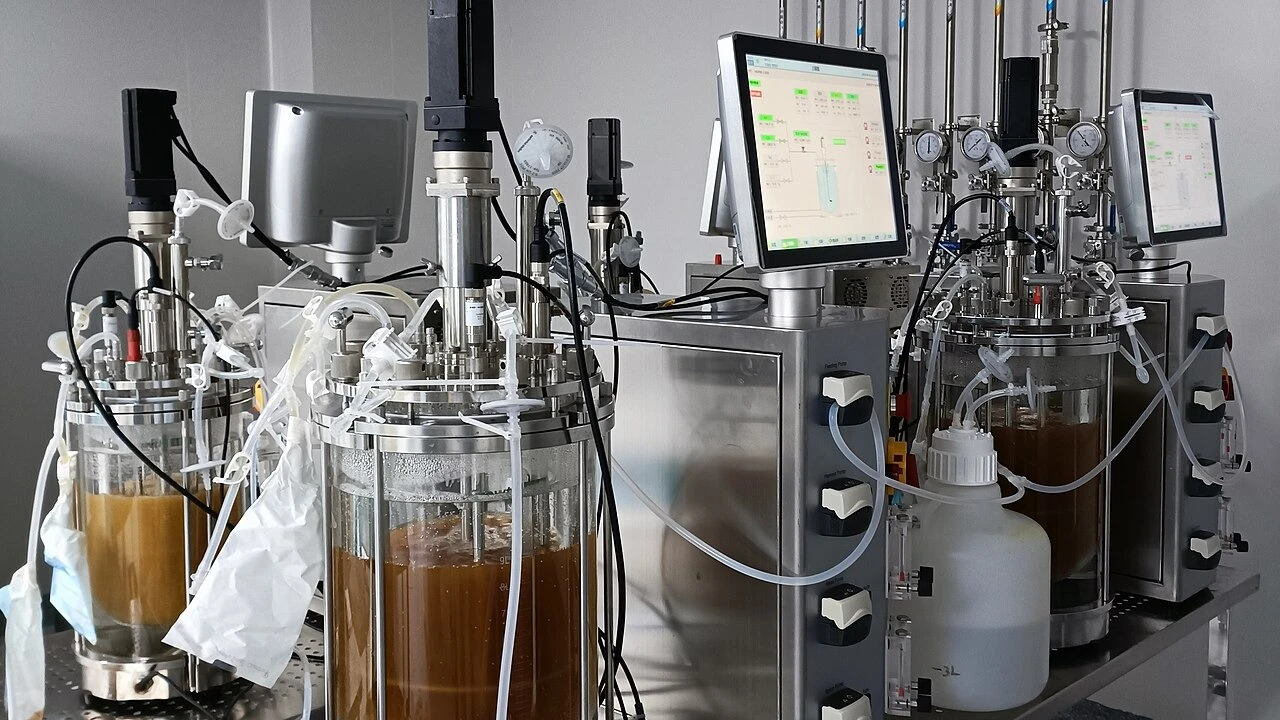
Maximizing Monoclonal Antibody Titers in Fed-Batch CHO Cell Bioreactors
Pushing fed-batch CHO-K1 titers past 8 g/L requires walking a tightrope between peak viable cell density and toxic lactate or ammonia accumulation. Learn how biphasic hypothermic temperature shifts at Day 5, stoichiometric bolus-to-continuous feed control, and targeted copper/galactose trace feeds preserve Fc N-glycan quality across 2,000 L single-use and stainless-steel GMP production campaigns.
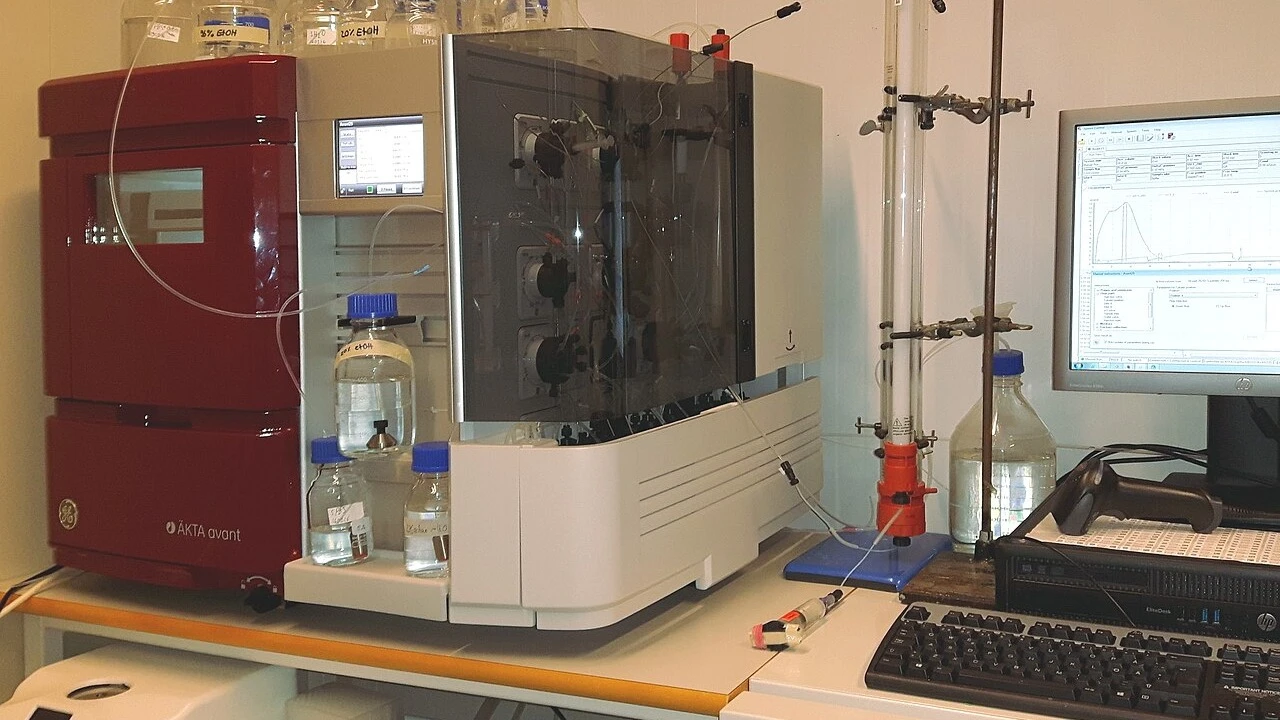
Extending Protein A Affinity Chromatography Resin Lifespan: Cleaning-in-Place (CIP) Protocols
At $14,000 per liter of alkali-stabilized Protein A resin, premature column fouling destroys downstream biologics margins. We detail how 0.5 M NaOH contact time, PAB strip washes, and DBC10% breakthrough monitoring extend resin life past 200 cycles.
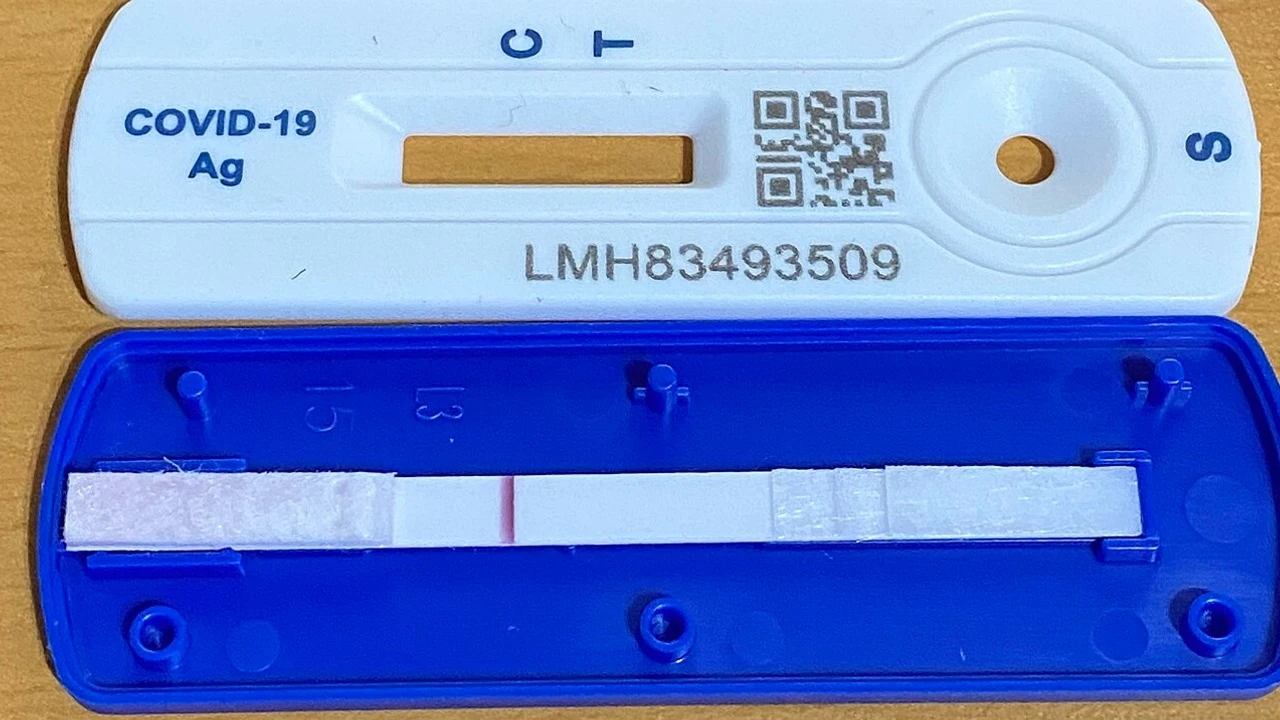
How Diagnostics Companies Evaluate and Select a CDMO for Rapid Test Assembly
Many promising point-of-care tests pass R&D on 50 hand-cut strips only to fail miserably at 100,000-cassette commercial scale. Use this engineering audit checklist to vet CDMO reel-to-reel Biodot dispensing CV%, Pouch sealing humidity, and ISO 13485 traceability.
Get Latest Life Science Insights & Guides in Your Inbox
Bi-weekly diagnostic articles, laboratory troubleshooting guides, and equipment reviews.