In the life sciences tools and bioprocessing sector, high-margin consumables are the ultimate strategic asset. While instrument sales fluctuate with macroeconomic interest rates, venture funding cycles, and biopharma capital expenditure (CapEx) freezes, high-affinity biological reagents—such as recombinant antibodies, protein extraction kits, and validation standards—represent non-discretionary, recurring operating expenses (OpEx) that academic, clinical, and industrial laboratories purchase on continuous purchase orders.
With Danaher Corporation (NYSE: DHR) finalizing the complete operational and commercial integration of Abcam plc into its Life Sciences operating segment, the industrial conglomerate has executed one of the most consequential acquisitions in research biology. Acquired for an enterprise value of approximately $5.7 billion, Abcam now operates alongside bioprocessing giants Cytiva, Pall Corporation, and Beckman Coulter Life Sciences.
Consolidating Recombinant Monoclonals Across the Drug Discovery Pipeline #
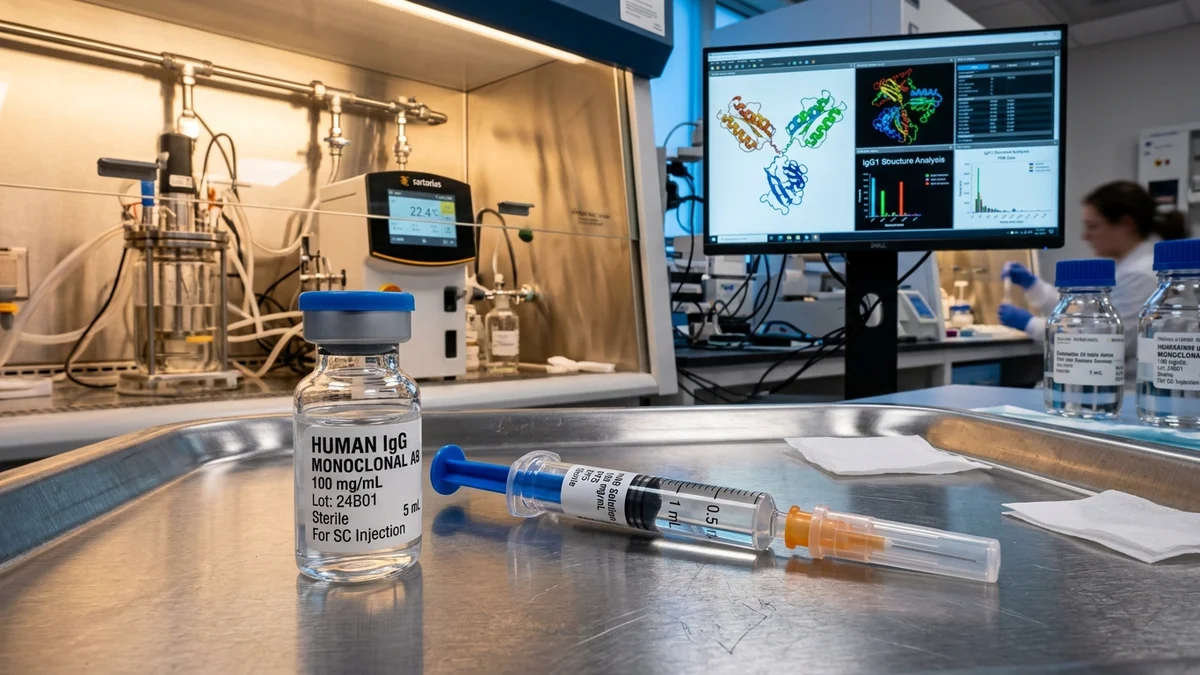
Founded in Cambridge, UK, Abcam established undisputed market leadership by building the world's most extensive, highly validated catalog of recombinant monoclonal antibodies (RabMAb® technology).
For decades, biomedical science has suffered from the notorious "antibody reproducibility crisis." Traditional mouse monoclonal antibodies produced via hybridoma cell lines and animal-derived polyclonal serums frequently suffer from genetic drift, batch-to-batch variation, cross-reactivity, and cell-line senescence—leading to billions of dollars in wasted research and irreproducible clinical trial assays.
Abcam revolutionized this sector by engineering antibodies through recombinant cloning:
- Genetic Definition and Reproducibility: Recombinant antibodies are sequenced at the nucleotide level and expressed in defined mammalian host cells, guaranteeing 100% batch-to-batch molecular consistency indefinitely.
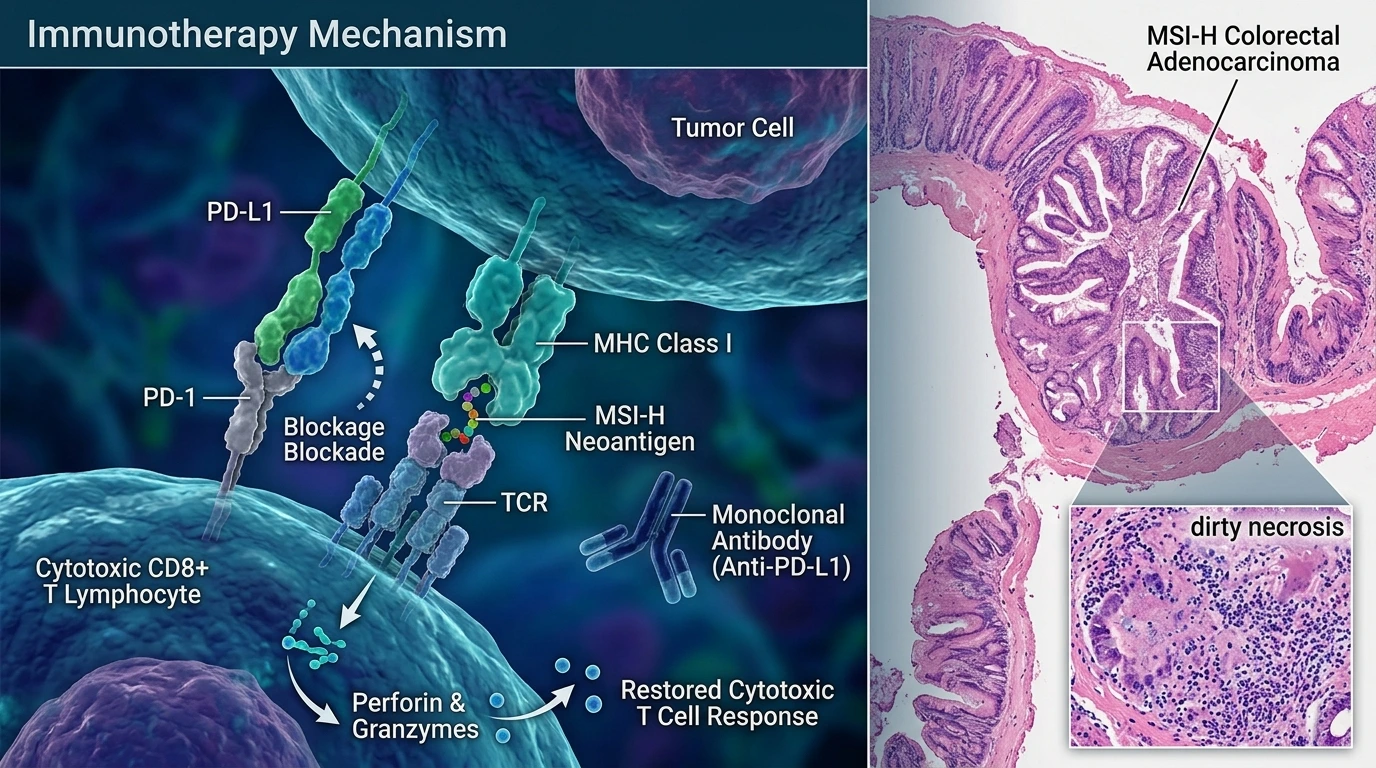
- Rabbit Monoclonal Affinity: Rabbit immune systems generate antibodies with affinity constants (KD) typically 10- to 100-fold higher than mouse monoclonals, making them ideal for detecting low-abundance clinical biomarkers in immunohistochemistry (IHC) and enzyme-linked immunosorbent assays (ELISA).
- Systematic Knockout Validation: Abcam instituted CRISPR-knockout (KO) validation across thousands of catalog targets, verifying that antibody binding signals drop to zero in knockout cell lines, providing researchers with definitive proof of target specificity.
Commercial Integration with Cytiva, Pall and Beckman Coulter #
Danaher's corporate strategy centers on the Danaher Business System (DBS)—a disciplined lean-manufacturing and continuous-improvement methodology designed to eliminate operational friction and scale commercial distribution.
By embedding Abcam into its Life Sciences segment, Danaher creates integrated cross-platform workflows across the entire therapeutic discovery and manufacturing continuum:
- Discovery to Bioprocessing Continuum: Academic and biotech researchers identifying oncology targets using Abcam's discovery antibodies can seamlessly transition into Danaher's Cytiva and Pall bioprocessing platforms for cell culture media, upstream bioreactors, downstream chromatography resins, and sterile filtration.
- Laboratory Automation Synergy: Abcam's high-throughput antibody panels and ELISA kits (SimpleStep ELISA®) are being directly formatted and validated for automated liquid handling on Beckman Coulter Biomek robotic workstations, providing clinical core laboratories with fully automated assay solutions.
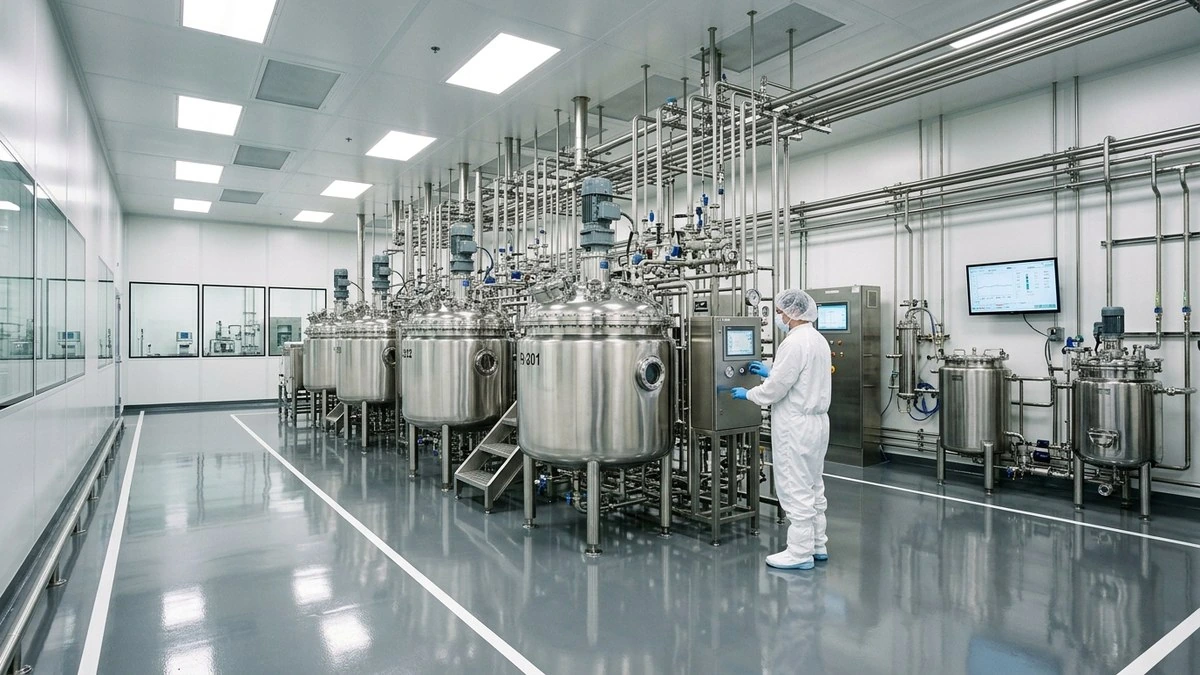
- Contract Manufacturing and Diagnostics OEM: Diagnostic developers utilizing Abcam antibodies for clinical test kits benefit from Danaher's global cGMP reagent manufacturing facilities, securing regulatory supply chains for IVD commercialization.
Fortifying High-Affinity Antibody Supply Chains for Biomanufacturing QC #
In modern biopharmaceutical manufacturing—particularly for complex modalities such as monoclonal antibodies, bispecifics, antibody-drug conjugates (ADCs), and viral vectors—quality control (QC) testing represents a critical regulatory hurdle.
Biomanufacturers require extremely specific, lot-to-lot consistent antibodies for:
- Host Cell Protein (HCP) Clearance: Detecting residual host cell proteins down to parts-per-million regulatory thresholds to prevent immunogenic adverse reactions in clinical patients.
- Pharmacokinetic (PK) and Anti-Drug Antibody (ADA) Assays: Monitoring circulating drug levels and patient immune responses during registrational clinical trials.
- Identity and Purity Testing: Verifying viral capsid titers and protein integrity across commercial batch release testing.
Integrating Abcam's recombinant antibody library directly within Danaher's bioprocessing division secures this critical reagent supply chain, preventing manufacturing disruptions for global biopharmaceutical clients.
Leadership Strategy on High-Margin Consumables and Recurring Revenue #
From a financial perspective, the integration substantially elevates Danaher's recurring revenue profile. Consumables represent more than 80% of Abcam's total revenues, characterized by gross margins exceeding 70% and strong pricing power.
During recent quarterly earnings disclosures, Danaher leadership emphasized that integrating Abcam expands the company's addressable life sciences tools market by over $10 billion. By applying DBS lean tools to Abcam's global supply chain and digital e-commerce portal, Danaher is driving operational margin expansion while expanding field application support across high-growth markets in the Asia-Pacific region.
Long-Term Market Impact Across Academic and Biopharma Core Facilities #
The consolidation of Abcam under Danaher intensifies competitive dynamics across the global life sciences tools ecosystem. Traditional competitors—such as Thermo Fisher Scientific (Pierce, Invitrogen), Merck KGaA (MilliporeSigma), and Bio-Techne—must now contend with a unified Danaher entity that spans discovery antibodies, laboratory robotics, and industrial bioprocessing.
For academic core facilities, hospital reference laboratories, and contract research organizations, the acquisition simplifies institutional procurement through consolidated master service agreements, while establishing a unified technical infrastructure supporting biomedical discovery worldwide.