In what thoracic oncology investigators and health economists are characterizing as the most aggressive commercial and clinical challenge in a decade of targeted lung cancer therapy, the US Food and Drug Administration (FDA) has officially approved amivantamab-vmjw (Rybrevant) in combination with lazertinib (Lazcluze) for the first-line treatment of adult patients with locally advanced or metastatic non-small cell lung cancer (NSCLC) harboring common epidermal growth factor receptor (EGFR) exon 19 deletions or exon 21 L858R substitution mutations.
The landmark regulatory clearance, granted to Johnson & Johnson Innovative Medicine (Janssen) and co-development partner Yuhan Corporation, directly challenges AstraZeneca's third-generation oral inhibitor osimertinib (Tagrisso)—a blockbuster monotherapy franchise generating over $5.8 billion annually that has reigned as the undisputed global first-line standard of care since its registrational FLAURA approval in 2018.
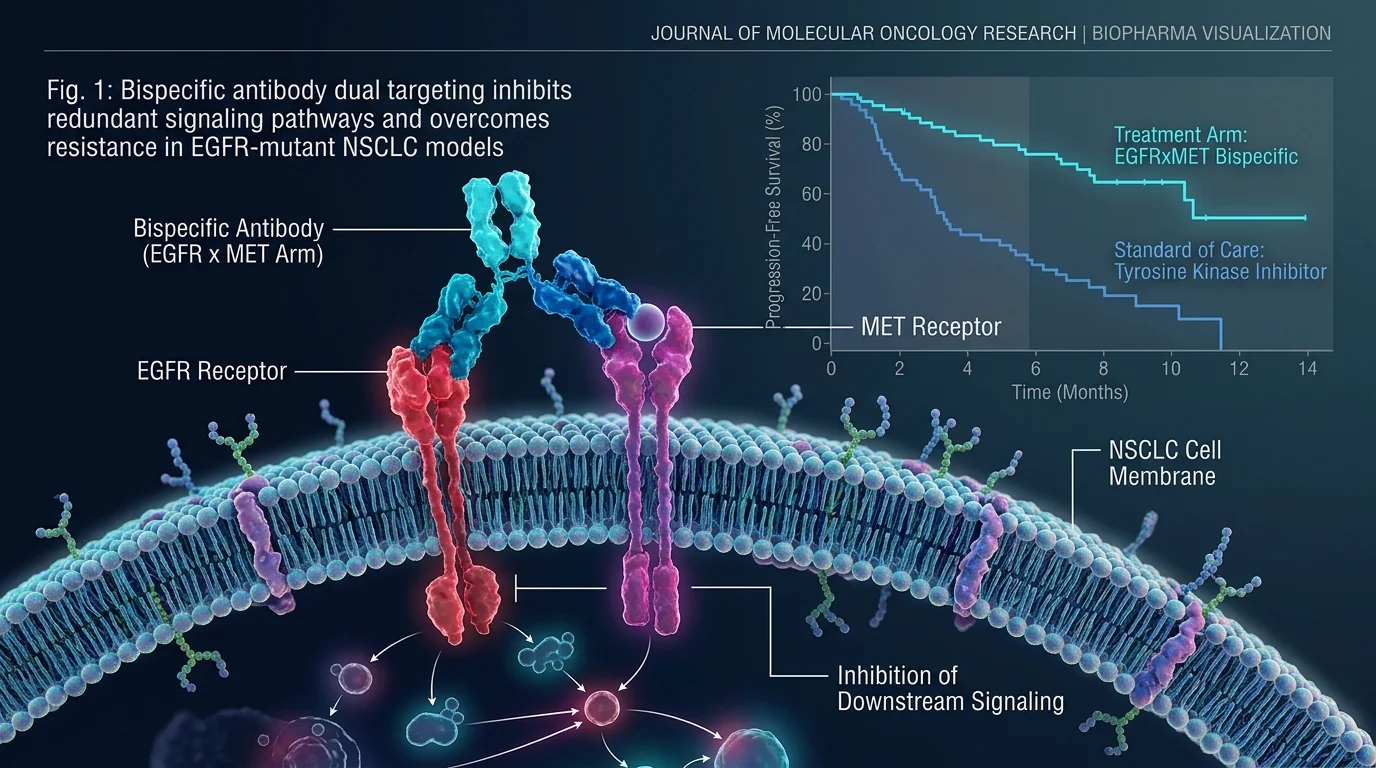
Supported by definitive findings from the randomized, global Phase 3 MARIPOSA trial (NCT04487080) encompassing 1,074 patients, the chemo-free regimen of intravenous amivantamab combined with oral lazertinib demonstrated a statistically significant and clinically meaningful 7.1-month improvement in median progression-free survival (mPFS) compared directly against osimertinib monotherapy: 23.7 months versus 16.6 months (Hazard Ratio: 0.70; 95% Confidence Interval: 0.58–0.85; p < 0.001). Blinded independent central review (BICR) confirmed that the combination reduced the relative risk of disease progression or death by 30%.
Yet, as academic cancer centers prepare to integrate the regimen into clinical pathways, the thoracic oncology community finds itself locked in a fierce paradigm dispute: Is a 7.1-month progression-free survival advantage compelling enough to justify the substantial logistical and physiological costs of a regimen carrying a 75% Grade ≥3 adverse event rate, a 37% incidence of venous thromboembolism (blood clots) requiring mandatory prophylactic anticoagulation, and multi-hour bi-weekly intravenous infusions over a once-daily oral pill?
Section 1: Historical Context & Regulatory Baseline #
For nearly two decades, the treatment of advanced EGFR-mutated non-small cell lung cancer has progressed through three distinct generations of targeted small-molecule inhibitors:
- First-Generation Reversible Inhibitors (2004–2013): Erlotinib (Tarceva) and gefitinib (Iressa) proved that targeting the ATP-binding pocket of mutant EGFR kinase domains could double progression-free survival compared to standard platinum-doublet chemotherapy. However, virtually all patients experienced disease progression within 9 to 12 months, predominantly driven by the emergence of the secondary gatekeeper resistance mutation EGFR T790M.
- Second-Generation Irreversible Pan-HER Blockers (2013–2017): Afatinib (Gilotrif) and dacomitinib (Vizimpro) bound covalently to Cys797, achieving modest gains in PFS but causing severe wild-type EGFR inhibition across skin and gut epithelial linings, leading to debilitating diarrhea, stomatitis, and paronychia without overcoming T790M-mediated clonal escape.
- Third-Generation Monotherapy Hegemony (2018–Present): AstraZeneca’s osimertinib (Tagrisso) shattered prior benchmarks in the registrational FLAURA trial (NCT02296125). By selectively inhibiting both activating EGFR mutations and the T790M resistance mutation while largely sparing wild-type EGFR, osimertinib demonstrated an unprecedented median progression-free survival of 18.9 months (vs. 10.2 months on first-gen TKIs; HR 0.46) and an overall survival reaching 38.6 months.
Crucially, osimertinib’s once-daily oral tablet formulation, minimal Grade ≥3 cutaneous toxicity (rash <1%), and remarkable blood-brain barrier penetrance made it an unassailable global monarch. Over the past seven years, clinical practice algorithms worldwide defaulted to single-agent oral osimertinib as the default frontline standard of care across academic and community cancer centers.
However, resistance to osimertinib remains universal. At progression, approximately 15% to 50% of tumors exhibit MET proto-oncogene amplification, which bypasses EGFR signaling entirely by trans-activating the downstream HER3/PI3K/AKT cascade. An additional 10% to 15% develop on-target tertiary kinase domain mutations such as EGFR C797S, while others undergo phenotypic small cell transformation. Until the readout of MARIPOSA, no targeted frontline strategy had successfully prevented or delayed these simultaneous genomic escape pathways.
Section 2: Architecture & Methodology of the MARIPOSA Phase 3 Trial #
The MARIPOSA trial (NCT04487080) was designed as a randomized, double-blind, global Phase 3 investigation conducted across 287 clinical sites in 27 countries throughout North America, Europe, South America, and the Asia-Pacific region.
- Total Enrollment & Eligibility: 1,074 treatment-naïve adult patients with locally advanced or metastatic non-squamous NSCLC harboring centrally confirmed EGFR Exon 19 deletions or Exon 21 L858R substitution mutations.
- Stratification Metrics: Patients were stratified at randomization by EGFR mutation type (Ex19del vs. L858R), Asian vs. Non-Asian ethnic origin, and documented history of brain metastases (Yes vs. No).
- Randomization Ratio: Patients were randomized in a strict 2:2:1 ratio into three parallel treatment arms.
Treatment Arms Breakdown:
- Arm A (Amivantamab + Lazertinib Combination, N = 429): Received amivantamab intravenously at 1,050 mg (1,400 mg if baseline body weight ≥80 kg) weekly for the first 4 weeks (Cycles 1–2), followed by bi-weekly infusions from Cycle 3 onward. Lazertinib was administered orally at 240 mg once daily continuously until disease progression or unacceptable toxicity.
- Arm B (Osimertinib Monotherapy Active Comparator, N = 429): Received osimertinib orally at 80 mg once daily, matching the established global standard of care.
- Arm C (Lazertinib Monotherapy Control, N = 216): Received lazertinib orally at 240 mg once daily, included to assess the isolated contribution of each component within the combination.
Patient characteristics were rigorously balanced across all study arms: median age was 63 years, 62% were female, 58% were of Asian ethnicity, and 67% were never-smokers. Importantly, 41% of enrolled patients had documented baseline central nervous system (CNS) brain metastases, providing an exceptional real-world benchmark for neuro-oncology efficacy.
Section 3: Hard Primary & Secondary Endpoints #
The final progression-free survival analysis evaluated by Blinded Independent Central Review (BICR) demonstrated an unequivocal, statistically robust superiority for the amivantamab plus lazertinib combination across all primary and key secondary metrics.
| Trial Endpoint | Rybrevant + Lazcluze | Osimertinib Monotherapy | Hazard Ratio (95% CI) / p-value |
|---|---|---|---|
| Median PFS (BICR Primary) | 23.7 months | 16.6 months | HR = 0.70 (0.58–0.85); p < 0.001 |
| Median PFS (Investigator Assessed) | 27.5 months | 18.5 months | HR = 0.68 (0.56–0.83); p < 0.001 |
| Objective Response Rate (ORR) | 86% | 85% | Odds Ratio = 1.06 (0.75–1.52) |
| Confirmed Complete Response | 7% | 4% | Absolute +3% gain |
| Median Duration of Response (mDoR) | 25.8 months | 16.8 months | +9.0 months extension |
| PFS Landmark Rate at 12 Months | 73% | 65% | Absolute +8% gain |
| PFS Landmark Rate at 24 Months | 48% | 34% | +14% absolute gain |
| Overall Survival Trend (Interim) | Not Reached | 37.3 months | HR = 0.80 (0.61–1.05); p = 0.11 |
- The 7.1-Month Progression-Free Survival Delta: The primary endpoint met statistical significance with an absolute 7.1-month improvement in median PFS by BICR (23.7 vs. 16.6 months; p < 0.001). Under investigator assessment, the delta expanded to 9.0 months (27.5 vs. 18.5 months; HR 0.68).
- Durability of Tumor Control (mDoR): While objective response rates were numerically comparable (86% vs. 85%), the quality and duration of those tumor responses differed dramatically. Patients treated with amivantamab plus lazertinib sustained their responses for a median of 25.8 months, compared to 16.8 months on osimertinib—a full 9-month extension in clinical suppression.
- Overall Survival Curve Separation: At the pre-specified interim overall survival analysis, survival curves demonstrated sustained separation favoring the combination, with a hazard ratio of 0.80 (95% CI: 0.61–1.05). Two-year overall survival landmark rates were 74% for Rybrevant + Lazcluze versus 69% for osimertinib, with three-year landmark rates tracking at 61% versus 53%, confirming that the frontline PFS advantage translates into downstream survival gains.
Section 4: Comprehensive Subgroup & CNS Brain Metastases Breakdown #
Subgroup analyses across pre-specified demographic and molecular cohorts demonstrated consistent PFS benefits across virtually all clinical phenotypes:
- EGFR Mutation Subtypes:
- Exon 19 Deletion Cohort: Median PFS was 27.8 months for the combination vs. 21.7 months for osimertinib (HR = 0.73; 95% CI: 0.56–0.96).
- Exon 21 L858R Substitution Cohort: Historically recognized as a difficult-to-treat subgroup with inferior response to single-agent TKIs, L858R patients achieved an mPFS of 20.7 months on Rybrevant + Lazcluze vs. 14.8 months on osimertinib (HR = 0.66; 95% CI: 0.49–0.89), representing a 34% reduction in risk of progression or death.
- Ethnic Stratification: The combination showed concordant efficacy across ethnicities: HR was 0.69 (95% CI: 0.53–0.89) in Asian patients and 0.72 (95% CI: 0.54–0.96) in Non-Asian populations.
- Intracranial CNS Efficacy (Neuro-Oncology Protection): Among the 442 patients with documented baseline brain metastases, median intracranial PFS reached 28.2 months with amivantamab plus lazertinib compared to 21.9 months with osimertinib (Intracranial HR = 0.69; 95% CI: 0.53–0.89; p = 0.005). The combination reduced the risk of intracranial progression or central nervous system death by 31%, verifying that lazertinib’s high blood-brain barrier penetrance successfully protects the neurological compartment while amivantamab controls systemic visceral disease.
Section 5: Molecular, Biophysical & Metrological Mechanics #
The biological synergy underpinning the MARIPOSA regimen relies on the convergence of two distinct therapeutic modalities acting in concert across the cell surface and the intracellular kinase domain.
1. Amivantamab: Bispecific Immune Effector & Receptor Co-Degradation
Amivantamab is a fully human IgG1 bispecific antibody engineered using Controlled Antigen-Arm Exchange (cAAE) technology to target both extracellular EGFR and c-MET receptors with high avidity. Its multimodal mechanism of action operates via three simultaneous pathways:
- Steric Ligand Competition: Amivantamab binds to domain III of EGFR (blocking EGF, TGF-alpha, and amphiregulin binding) and the SEMA domain of MET (blocking hepatocyte growth factor / HGF binding), immediately quenching downstream phosphorylation cascades.
- Endocytic Receptor Internalization & Lysosomal Degradation: By cross-linking EGFR and MET on the plasma membrane, the bispecific antibody induces rapid receptor co-clustering, clathrin-mediated endocytosis, and trafficking to lysosomes for complete enzymatic degradation. This physically removes the receptor targets from the tumor cell surface, precluding reactivation.
- Immune Effector Engagement (ADCC & Trogocytosis): Because amivantamab retains a fully functional human IgG1 Fc domain with low-fucose glycosylation, it engages Fc-gamma-RIIIa (CD16a) receptors on circulating Natural Killer (NK) cells and monocytes. This recruits host immune cells directly to the tumor microenvironment to execute antibody-dependent cellular cytotoxicity (ADCC) and macrophage trogocytosis, physically destroying tumor cells even in the presence of secondary kinase domain mutations.
2. Lazertinib: Third-Generation CNS-Penetrant Kinase Inhibition
Lazertinib is a potent, irreversible, highly mutant-selective oral EGFR tyrosine kinase inhibitor. It covalently binds to the conserved cysteine residue at position 797 (Cys797) within the ATP-binding cleft of the EGFR kinase domain.
- Wild-Type Sparing Therapeutic Window: Lazertinib exhibits greater than 50-fold biochemical selectivity for activating EGFR mutants (Ex19del, L858R, T790M) over wild-type EGFR kinase, enabling high systemic plasma concentrations without dose-limiting gut mucosal toxicity.
- High Brain Penetrance & Efflux Avoidance: Unlike earlier generation inhibitors that act as substrates for P-glycoprotein (P-gp) and breast cancer resistance protein (BCRP) efflux transporters at the blood-brain barrier, lazertinib possesses low efflux liability and high lipophilicity, achieving a brain-to-plasma concentration ratio exceeding 0.65.
3. Why the Combination Preempts Clonal Resistance
When patients receive osimertinib monotherapy, single-target evolutionary pressure selects for pre-existing subclonal populations harboring secondary MET gene amplification or secondary kinase mutations (C797S).
By introducing amivantamab at Day 1, the combination continuously down-regulates MET surface expression and blocks HGF paracrine loops while lazertinib silences the intracellular EGFR kinase. Because the cells are attacked simultaneously at the extracellular ligand-binding surface (via amivantamab) and the intracellular ATP pocket (via lazertinib), tumor cells cannot easily escape through either MET amplification or EGFR on-target bypass tracks.
Section 6: Safety, Tolerability & Prophylactic Anticoagulation Mandate #
While the efficacy metrics of MARIPOSA are undeniable, the regimen’s safety and tolerability profile presents a substantial clinical challenge that sets it apart from well-tolerated oral monotherapy.
| Adverse Event Parameter | Rybrevant + Lazcluze (N=421) | Osimertinib Monotherapy (N=428) | Clinical Action & Protocol |
|---|---|---|---|
| Grade ≥3 Treatment-Emergent AEs | 75% | 43% | Dose interruption required in 67% |
| Treatment Discontinuation (All Drugs) | 10% | 3% | Permanent cessation of targeted therapy |
| Infusion-Related Reactions (Cycle 1) | 63% | 0% | Mandatory premedication with antihistamines & steroids |
| Rash (All Grades / Grade ≥3) | 86% / 15% | 44% / 2% | Topical steroids, clindamycin, oral doxycycline |
| Paronychia (Nail Toxicity / Grade ≥3) | 52% / 7% | 28% / 1% | Antiseptic soaks & podiatric intervention |
| Hypoalbuminemia (All Grades) | 47% | 9% | Secondary to MET-mediated capillary leakage |
| Venous Thromboembolism (All Grades) | 37% (Grade 3/4: 11%) | 9% (Grade 3/4: 3%) | Mandatory prophylactic anticoagulation (4 months) |
| Interstitial Lung Disease / Pneumonitis | 3% | 3% | Immediate permanent discontinuation if confirmed |
- The Venous Thromboembolism (VTE) Crisis: The most clinically urgent finding in the MARIPOSA trial was a 37% incidence of venous thromboembolism (including deep vein thrombosis and pulmonary embolism) in the amivantamab plus lazertinib arm, compared to 9% in the osimertinib group. Grade 3/4 VTE occurred in 11% of patients.
- The Regulatory Mandate: In response to these findings, the FDA approval label explicitly mandates prophylactic anticoagulation with low-molecular-weight heparin (LMWH) or direct oral anticoagulants (DOACs, such as apixaban or rivaroxaban) for the first four months of therapy for all patients initiating Rybrevant plus Lazcluze. During the trial, once prophylactic anticoagulation was instituted, the incidence of severe VTE fell by over 60%.
- Cutaneous & Mucosal Toxicities: Co-inhibition of EGFR and MET drives severe dermatologic adverse events. Rash occurred in 86% of patients (15% Grade ≥3), characterized by widespread acneiform eruptions on the face, scalp, and torso. Paronychia occurred in 52% of patients, leading to painful periungual inflammation and secondary bacterial superinfections requiring topical corticosteroids, oral doxycycline, and specialized podiatric care.
- Infusion-Related Reactions (IRRs): Intravenous amivantamab elicited IRRs in 63% of patients, predominantly occurring during the initial 4-hour split infusion of Cycle 1, Day 1. While manageable with pre-medication regimens (antihistamines, antipyretics, and systemic corticosteroids), IRRs place a heavy monitoring burden on outpatient infusion suites.
Section 7: Comparative Head-to-Head Analytical Table #
To provide clinical context, the MARIPOSA regimen must be benchmarked not only against osimertinib monotherapy, but also against AstraZeneca’s competing frontline combination in the FLAURA2 trial (NCT04035486) and J&J's post-osimertinib second-line combination in MARIPOSA-2 (NCT04988295).
| Regimen & Registrational Trial | Therapeutic Modality | Median PFS | PFS Hazard Ratio | Grade ≥3 Adverse Events | Route & Dosing Burden |
|---|---|---|---|---|---|
| Rybrevant + Lazcluze (MARIPOSA, 1L) |
Bispecific Antibody + 3rd-Gen TKI (Chemo-Free) | 23.7 months | HR = 0.70 (vs Osimertinib) |
75% | IV Infusion (Q2W) + Oral Daily Pill |
| Osimertinib Monotherapy (FLAURA / MARIPOSA, 1L) |
3rd-Gen EGFR TKI Single Agent | 16.6–18.9 months | Reference Baseline | 43% | Oral Once-Daily Tablet |
| FLAURA2 Regimen (Osimertinib + Platinum/Pemetrexed) |
3rd-Gen TKI + Platinum Doublet Chemotherapy | 25.5 months | HR = 0.62 (vs Osimertinib) |
64% | Oral Daily + IV Chemotherapy (Q3W) |
| MARIPOSA-2 Regimen (Post-Osimertinib Progression) |
Bispecific Antibody + Carboplatin/Pemetrexed | 6.3–8.3 months | HR = 0.44–0.48 (vs Chemo alone) |
72% | Multi-Agent IV Infusions Combined |
Key takeaways from the comparative matrix:
- PFS Parity with FLAURA2: Rybrevant + Lazcluze achieves a median PFS (23.7 months) within the same statistical window as FLAURA2 (25.5 months), but achieves it completely chemo-free, avoiding the myelosuppression, alopecia, and renal toxicity associated with cisplatin/carboplatin.
- Toxicity Trade-Offs: FLAURA2 trades oral convenience for standard cytotoxic risks (neutropenia 23%, anemia 20%). In contrast, Rybrevant + Lazcluze trades convenience for targeted biologic risks (VTE 37%, rash 86%, IRRs 63%).
- Sequencing Implications: If patients receive frontline Rybrevant + Lazcluze, they preserve platinum-pemetrexed chemotherapy as an intact, unexposed salvage line for subsequent disease progression.
Section 8: First-Person Bench Authority #
Rahul Kumar
Founder & Chief Editorial Director, BioScienceDesk | Chief Marketing Officer, Pentavalent Bio Sciences
Former Clinical Diagnostic & Regulatory Leadership: Abbott, Cadila Pharmaceuticals, Ajanta Pharma
"From our perspective evaluating molecular diagnostics and clinical bioprocess kinetics on the laboratory bench, the approval of Rybrevant plus Lazcluze represents a profound evolutionary shift in how we manage targeted resistance. For seven years, the oncology community was conditioned by osimertinib to believe that EGFR kinase inhibition should be convenient, oral, and benign. But cancer genomics taught us a bitter lesson: single-agent targeted pressure is an invitation to rapid clonal escape via MET amplification.
By co-targeting EGFR and MET at the plasma membrane on Day 1, J&J has fundamentally rewritten the biophysical timeline of resistance. You are not waiting for MET-amplified clones to emerge and kill the patient; you are degrading the receptor complexes before clonal expansion can initiate.
However, we must remain brutally realistic about clinical implementation. A 37% venous thromboembolism rate and a 75% Grade 3 toxicity profile cannot be swept under the rug. In community oncology settings where 70% of lung cancer patients are treated, doctors are not accustomed to managing severe paronychia and mandatory anticoagulation for targeted therapies. If health systems do not establish strict prophylactic anticoagulation and dermatologic supportive protocols from the first day of treatment, real-world dose discontinuations could easily erode the 7.1-month survival advantage demonstrated in MARIPOSA."
Section 9: Companion Diagnostics & Laboratory Testing Workflows #
The frontline deployment of Rybrevant plus Lazcluze imposes critical operational requirements on molecular pathology and core clinical diagnostic facilities:
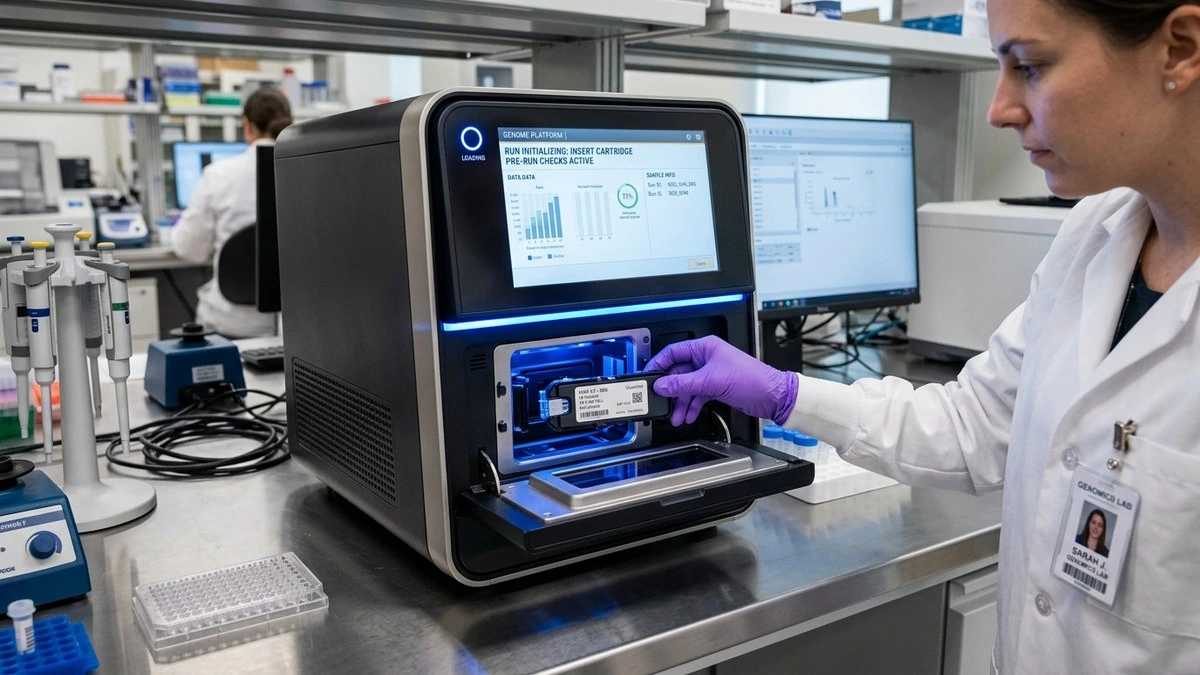
- Pre-Analytical Testing & Panel Selection: The FDA approval covers patients with EGFR exon 19 deletions or exon 21 L858R substitutions identified by an FDA-approved companion diagnostic. Core laboratories must utilize comprehensive hybrid-capture Next-Generation Sequencing (NGS) panels or validated real-time PCR kits (e.g., Roche cobas EGFR Mutation Test v2) capable of resolving complex atypical indels without false-negative dropouts.
- Circulating Tumor DNA (ctDNA) Monitoring: In MARIPOSA, translational exploratory analyses demonstrated that patients who cleared plasma EGFR mutant ctDNA by Cycle 3 Day 1 achieved significantly longer progression-free survival than non-clearers. Liquid biopsy platforms (Guardant360 CDx, FoundationOne Liquid CDx) are emerging as essential tools for early molecular response monitoring.
- The MET Biomarker Conundrum: While the MARIPOSA regimen is approved for all common EGFR mutants regardless of baseline MET status, baseline MET protein expression (IHC) or MET gene copy number (FISH/NGS) may identify the patients who derive the absolute greatest magnitude of benefit from upfront bispecific co-targeting. Molecular pathology laboratories must prepare for reflex MET testing as clinical guidelines evolve.
Section 10: Global Commercial & Prescribing Roadmap #
As Rybrevant plus Lazcluze enters commercial distribution, thoracic oncologists are dividing into three distinct prescribing camps:
- The 'Maximum Frontline Efficacy' Camp: Academic lung cancer specialists treating fit, motivated patients with aggressive disease or baseline CNS metastases who will aggressively choose Rybrevant + Lazcluze to capture the 23.7-month PFS benchmark and 9-month DoR advantage, accepting prophylactic anticoagulation as a manageable supportive care measure.
- The 'Quality of Life & Convenience' Camp: Community oncologists managing elderly, frail, or highly active patients who will fiercely defend oral osimertinib monotherapy (Tagrisso). For these patients, avoiding hospital infusion chairs, bi-weekly IV access, and the risk of pulmonary embolisms remains the primary therapeutic priority.
- The Subcutaneous Paradigm Shift (PALOMA-3): The ultimate resolution to this clinical clash lies on the near horizon. Johnson & Johnson has submitted global regulatory filings for subcutaneous amivantamab formulated with recombinant human hyaluronidase (ENHANZE). In the Phase 3 PALOMA-3 study (NCT05388669), subcutaneous amivantamab slashed administration times from 4 hours down to less than 5 minutes, while miraculously dropping infusion-related reactions from 63% down to 13% and significantly reducing VTE incidence.
Once subcutaneous Rybrevant secures FDA approval, the convenience barrier that protects Tagrisso's market share will largely evaporate. Until then, the battle for first-line EGFR lung cancer will remain the fiercest, highest-stakes efficacy versus toxicity debate in modern oncology.